Intra-Abdominal Pressure Dangers: 8 Warning Signs You’re Overloading Your Core
Maintaining a strong and healthy core is vital for overall physical health. From supporting posture to facilitating movement, your core plays a central role. However, pushing the core beyond its limits can lead to harmful consequences, especially when it involves increased intra-abdominal pressure. In this article, we will delve into intra-abdominal pressure dangers, the warning signs of core overload, and tips to mitigate risks.
What is Intra-Abdominal Pressure?
Intra-abdominal pressure (IAP) refers to the pressure within the abdominal cavity created by the interaction of muscles, organs, and connective tissues. While a normal level of IAP supports core stability, excessive pressure can strain the body, leading to significant health issues. Understanding intra-abdominal pressure dangers is essential to safeguarding your core health and preventing complications.
1. Chronic Lower Back Pain
One of the most common warning signs of excessive intra-abdominal pressure is chronic lower back pain. Overloading the core by improperly performing exercises or lifting heavy objects can increase IAP beyond safe levels. This pressure may destabilize the lumbar spine and irritate nearby nerves, causing persistent discomfort.
If you’re experiencing unexplained back pain, consider the possibility of intra-abdominal pressure dangers affecting your spinal alignment.
2. Pelvic Floor Dysfunction
The pelvic floor muscles play a crucial role in managing IAP. Overloading your core with improper techniques can overstretch or weaken these muscles, leading to dysfunction. Symptoms include urinary incontinence, pelvic pain, and difficulty with bowel movements.
Understanding the relationship between core exercises and pelvic health can help reduce intra-abdominal pressure dangers and protect your pelvic floor from strain.
3. Hernias
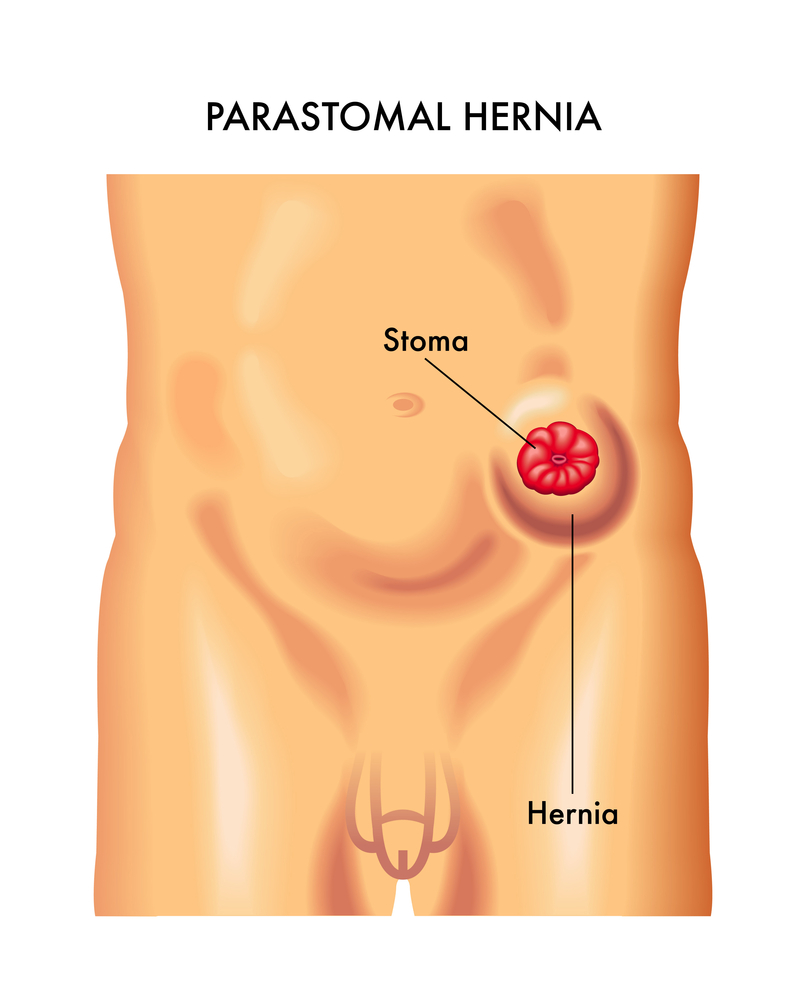
A hernia occurs when an organ or tissue pushes through a weak spot in the abdominal wall. Excessive IAP from improper lifting techniques, overexertion, or high-intensity core exercises can increase the likelihood of developing hernias.
Warning signs of hernias include visible bulges, localized pain, or discomfort during physical activity. Recognizing these symptoms is vital in addressing intra-abdominal pressure dangers promptly.
4. Breathing Difficulties
Overloading the core can compromise your breathing pattern. High intra-abdominal pressure restricts the diaphragm’s movement, making it harder to breathe deeply. You may notice shallow breathing or a feeling of tightness in the chest during or after intense exercise.
Monitoring your breathing during workouts is a key step in minimizing intra-abdominal pressure dangers and maintaining respiratory efficiency.
5. Digestive Problems
Excessive IAP can impact digestive health by putting pressure on the stomach and intestines. This can exacerbate conditions like acid reflux, bloating, and indigestion. Straining during workouts or daily activities may intensify these issues, signaling the need to reassess your approach to core exercises.
Preventing intra-abdominal pressure dangers includes moderating intensity and ensuring proper posture during physical activities.
6. Rectal Prolapse
Another serious consequence of excessive IAP is rectal prolapse, where the rectum protrudes through the anus due to weakened support structures. This condition is often linked to chronic straining, heavy lifting, or improper exercise form.
If you suspect symptoms of rectal prolapse, such as rectal discomfort or visible tissue, consult a healthcare professional to address intra-abdominal pressure dangers effectively.
7. Diastasis Recti
Diastasis recti refers to the separation of the abdominal muscles along the midline, often caused by excessive IAP. This condition is particularly common in postpartum women but can affect anyone engaging in high-pressure core exercises without proper technique.
Signs of diastasis recti include a visible gap between the abdominal muscles and a weakened core. Preventing intra-abdominal pressure dangers involves avoiding movements that force the abdominal wall outward excessively.
8. Increased Risk of Organ Prolapse
Organ prolapse occurs when internal organs descend from their normal positions due to weakened support structures. Overloading the core and ignoring warning signs can contribute to this condition, particularly in individuals with a history of pelvic or abdominal surgeries.
Being mindful of exercise techniques and avoiding overexertion are critical in reducing intra-abdominal pressure dangers and maintaining internal organ alignment.
How to Manage Intra-Abdominal Pressure Safely
1. Practice Proper Breathing Techniques
Breathing deeply and engaging the diaphragm can help regulate IAP during physical activities. Techniques like diaphragmatic breathing and bracing the core correctly are essential for minimizing intra-abdominal pressure dangers.
2. Use Correct Form During Exercise
Improper form is a major contributor to excessive IAP. Whether lifting weights or performing planks, focus on aligning your body and engaging the core without overexerting.
3. Strengthen the Core Gradually
Avoid jumping into high-intensity core workouts without building foundational strength. Gradual progression reduces the risk of injury and intra-abdominal pressure dangers.
4. Seek Professional Guidance
Working with a physical therapist or certified trainer can help you identify safe and effective exercises tailored to your needs. This ensures you avoid intra-abdominal pressure dangers while achieving fitness goals.
Conclusion
Understanding intra-abdominal pressure dangers and their associated warning signs is essential for maintaining a healthy core. Chronic pain, breathing difficulties, hernias, and other symptoms can signal core overload, requiring immediate attention. By practicing proper techniques, moderating exercise intensity, and seeking professional advice, you can protect your core from the harmful effects of excessive intra-abdominal pressure.
Your core is central to your physical health—treat it with care to avoid intra-abdominal pressure dangers and enjoy a strong, resilient body for years to come.
References
- Weight Lifting Belt Advantages: 15 Clear Benefits for Workouts
- Weight Lifting Belt Myths: 9 Truths About Its Effectiveness
- Weight Lifting Belt Features: 12 Basic Details for Smart Shopping
- Hemborg, B., Moritz, U., & Löwing, H. (1983). “Intra-abdominal pressure and trunk muscle activity during lifting—effect of abdominal muscle training in healthy subjects.” Scandinavian Journal of Rehabilitation Medicine. Link to study.
- Park, S., et al. (2017). “Intra-abdominal pressure during dynamic and static exercises: Implications for core stability.” Journal of Biomechanics. Link to study.


