Introduction
Lacrosse is a sport of strategy, speed, and skill, and at the heart of the game are its distinct positions. Each position in lacrosse has a specific role that contributes to the overall success of the team. Whether it’s scoring, defending, or facilitating transitions, understanding lacrosse positions is critical for players to thrive on the field.
The beauty of lacrosse lies in its dynamic nature, with players constantly shifting between offense and defense. This versatility means that every position demands unique skills, from the precision of the Attackman to the quick reflexes of the Goalkeeper. No matter your strengths or playing style, there’s a lacrosse position that fits perfectly.
For those new to the sport or looking to deepen their understanding, this guide will break down the eight primary lacrosse positions. Each role comes with specific responsibilities and techniques that every player should master to elevate their game.
1. Attackman: The Offensive Powerhouse
The Attackman is responsible for scoring goals and maintaining offensive pressure. Positioned close to the opponent’s goal, they require precision shooting, quick decision-making, and excellent stick-handling skills. In this lacrosse position, agility and teamwork are crucial.
Key Skills for Attackmen:
- Shooting accuracy
- Dodging defenders
- Quick passes to teammates
2. Midfielder: The All-Around Athlete
Midfielders, also known as “middies,” are the most versatile players on the field. This lacrosse position requires players to transition between offense and defense seamlessly. They cover the most ground and are involved in nearly every play.
Key Skills for Midfielders:
- Stamina and endurance
- Defensive skills
- Accurate passing
3. Defenseman: The Defensive Anchor
Defensemen are tasked with preventing opponents from scoring by guarding attackmen and disrupting plays. This lacrosse position requires physical strength, strategic thinking, and an excellent ability to clear the ball from the defensive zone.
Key Skills for Defensemen:
- Body positioning
- Stick checking
- Ground ball control
4. Goalkeeper: The Last Line of Defense
The goalkeeper, or goalie, is one of the most critical lacrosse positions on the field. Their primary responsibility is to stop shots on goal. A goalie must be fearless, have quick reflexes, and communicate effectively with the defense.
Key Skills for Goalkeepers:
- Shot-blocking
- Communication with defense
- Ball clearing
5. Faceoff Specialist: The Game Starter
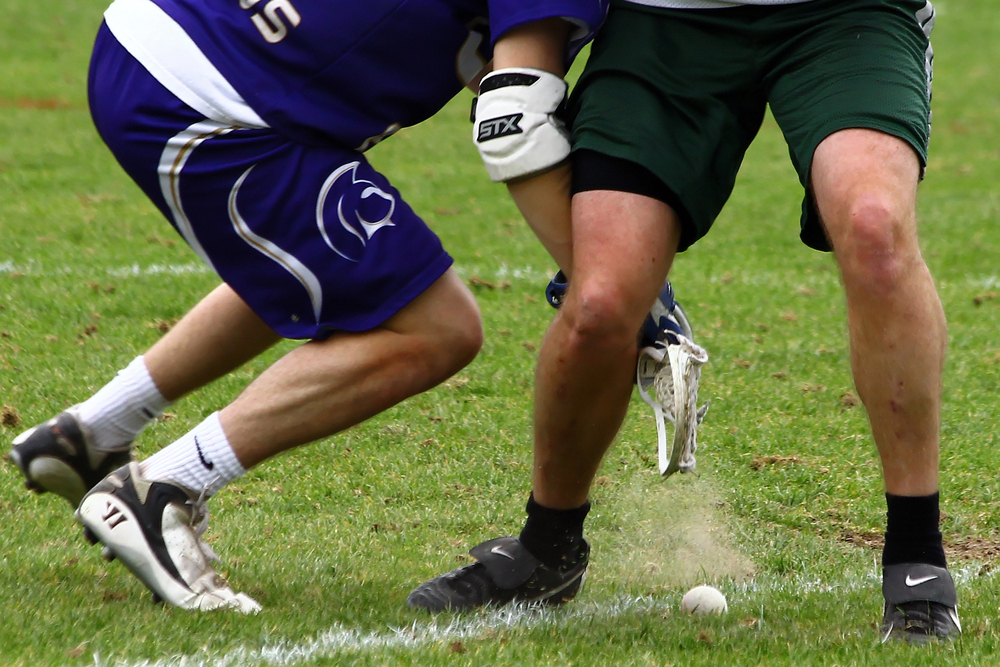
The faceoff specialist, or FOGO (Face Off, Get Off), is a unique role in lacrosse. This player takes faceoffs at the start of each quarter and after every goal. Mastery of this lacrosse position can give a team a significant advantage.
Key Skills for Faceoff Specialists:
- Hand-eye coordination
- Quick reactions
- Strategic moves
6. Long-Stick Midfielder: The Defensive Middie
The long-stick midfielder (LSM) uses a longer stick to disrupt offensive plays and transition the ball upfield. This lacrosse position combines defensive prowess with the ability to initiate fast breaks.
Key Skills for LSMs:
- Stick checks
- Intercepting passes
- Transition play
7. Short-Stick Defensive Midfielder: The Unsung Hero
Often underappreciated, the short-stick defensive midfielder (SSDM) plays a vital role in defending against fast offensive players. This lacrosse position requires speed, agility, and excellent defensive instincts.
Key Skills for SSDMs:
- On-ball defense
- Transition defense
- Ground ball pickups
8. Substitutes and Specialists: The Supporting Cast
Substitutes and specialists are essential for maintaining team energy and adapting strategies during the game. While they may not have specific lacrosse positions, their roles vary depending on the game situation.
Key Skills for Substitutes and Specialists:
- Versatility
- Game awareness
- Positive attitude
Tips for Mastering Lacrosse Positions
- Understand Your Role: Study the responsibilities of your lacrosse position to ensure you contribute effectively.
- Train for Specific Skills: Focus on the skills that your position demands, such as agility for Attackmen or reaction speed for Goalkeepers.
- Communicate: Strong communication enhances teamwork, especially in defensive lacrosse positions.
- Adaptability: Be prepared to switch roles or adjust strategies during a game.
- Work as a Team: Success in lacrosse relies on how well players in different lacrosse positions collaborate.
Conclusion
Understanding the various lacrosse positions is essential for players aiming to excel in the sport. Each role requires unique skills and contributes to the team’s overall success. By mastering your position and working cohesively with teammates, you’ll significantly enhance your gameplay. Whether you’re an Attackman scoring goals or a Goalkeeper defending them, your contribution is vital to the team’s triumph.