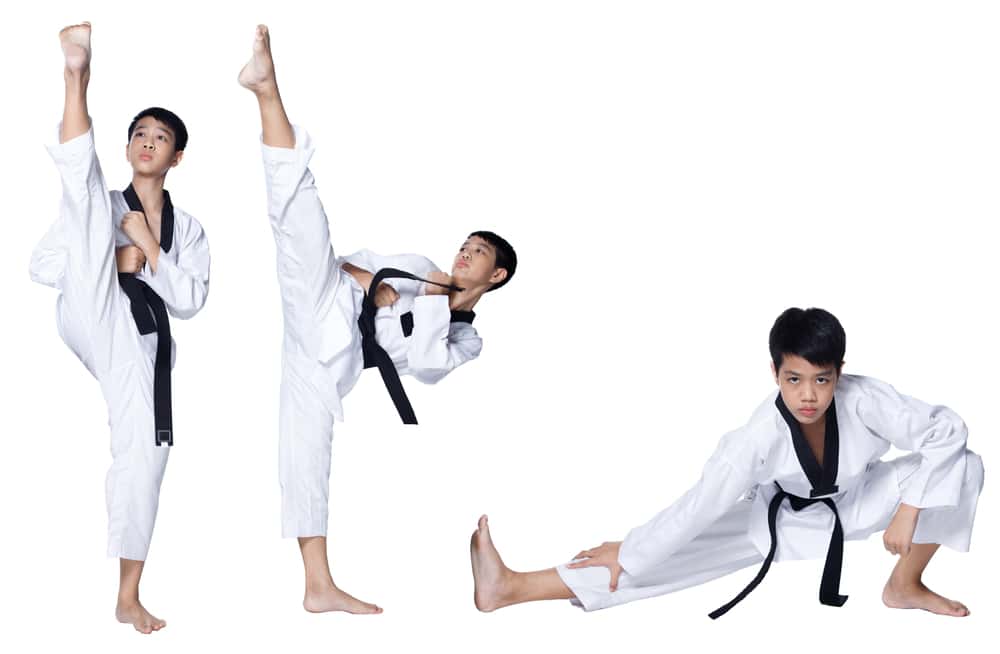
What Is Taekwondo?
Taekwondo is more than a martial art; it is a global movement deeply rooted in Korean history, culture, and philosophy. Recognized for its dynamic kicks and disciplined practice, Taekwondo has a fascinating history that reflects the evolution of Korea itself. From its ancient origins to its modern status as an Olympic sport, Taekwondo’s history is marked by pivotal moments and organizations that shaped its growth, including the International Taekwon-Do Federation (ITF).
This article explores eight historical moments that defined Taekwondo, celebrating its journey from a traditional martial art to an internationally recognized discipline.
1. The Origins: Ancient Martial Arts of Korea
The beginnings of Taekwondo history date back over 2,000 years to Korea’s ancient martial arts, such as Taekkyon and Subak. Taekkyon, characterized by fluid movements and powerful kicks, is often considered a precursor to modern Taekwondo. These martial arts were practiced by warriors and civilians alike, serving as tools for self-defense, fitness, and cultural expression.
This era established a foundation for Taekwondo’s core principles, emphasizing discipline, respect, and self-improvement—deeply ingrained in Korean culture.
2. The Three Kingdoms Period: Martial Arts Thrive
During the Three Kingdoms Period (57 BCE – 668 CE), the kingdoms of Goguryeo, Silla, and Baekje integrated martial arts into their military and cultural practices. The Hwarang, an elite group of young warriors in the Silla Kingdom, were instrumental in promoting martial arts training. Their code, which emphasized loyalty, respect, and bravery, laid the philosophical groundwork for Taekwondo.
The influence of the Hwarang on Taekwondo history can still be felt today, with many of their ethical values incorporated into the martial art’s philosophy and teachings.
3. Japanese Occupation: Survival and Adaptation
Taekwondo history faced significant challenges during the Japanese occupation of Korea (1910–1945). Traditional Korean martial arts were suppressed, and many practitioners were forced to learn Japanese martial arts, such as karate. However, this period also saw the blending of Japanese techniques with traditional Korean practices, leading to the development of unique hybrid styles.
Despite the hardships, Korean martial artists persevered, keeping their traditions alive and laying the groundwork for Taekwondo’s post-liberation revival.
4. Post-Liberation: The Creation of Modern Taekwondo
Following Korea’s liberation in 1945, martial artists worked to restore and modernize their practices. Various martial arts schools, known as kwans, emerged, each contributing distinct techniques and philosophies to the development of Taekwondo. In 1955, General Choi Hong Hi, one of the pioneers of modern Taekwondo, coined the term “Taekwondo,” meaning “the way of the foot and fist.”
General Choi also played a significant role in forming the International Taekwon-Do Federation (ITF) in 1966, aiming to promote Taekwondo as a global martial art. The ITF emphasized technical precision and self-defense applications, setting it apart from other Taekwondo organizations.
5. The ITF and World Taekwondo: Diverging Paths
The establishment of the ITF in 1966 marked a pivotal moment in Taekwondo history, as it became one of the leading organizations promoting the martial art internationally. General Choi’s vision for Taekwondo focused on its martial roots, incorporating detailed patterns (tul) and emphasizing moral culture.
In contrast, the World Taekwondo Federation (WTF), now known as World Taekwondo, was established in 1973 and emphasized the sport aspect of Taekwondo, leading to its inclusion in the Olympic Games. This divergence created two primary schools of thought within Taekwondo, each with its unique strengths and philosophies.
6. Taekwondo Goes Global
The international expansion of Taekwondo began in the 1960s, as Korean masters traveled abroad to teach and establish schools. The ITF and World Taekwondo played crucial roles in promoting the art on a global scale.
In 1988, Taekwondo debuted as a demonstration sport at the Seoul Olympics, and in 2000, it became an official Olympic sport under the governance of World Taekwondo. Meanwhile, the ITF continued to focus on traditional practices, organize international tournaments, and promote Taekwondo as a martial art for self-defense and character development.
7. Philosophical Foundations: The Five Tenets
One of the most enduring aspects of Taekwondo history is its philosophical foundation, particularly the Five Tenets of Taekwondo:
- Courtesy
- Integrity
- Perseverance
- Self-Control
- Indomitable Spirit
The ITF and World Taekwondo emphasize these principles, ensuring practitioners view Taekwondo as more than just physical training. These values reflect the art’s holistic approach to developing the mind and body.
8. The Digital Era: Taekwondo in the Modern World
As Taekwondo history unfolds, the digital age has brought new growth opportunities. Virtual training platforms, online competitions, and digital resources have made Taekwondo more accessible to practitioners worldwide. ITF and World Taekwondo have embraced technology to connect global communities and promote the art.
While the ITF’s and World Taekwondo’s approaches differ, they are committed to preserving Taekwondo’s rich heritage and adapting it to modern times.
Conclusion
The story of Taekwondo history is a journey of resilience, evolution, and cultural pride. From its ancient origins to the global stage, Taekwondo has adapted to changing times while remaining true to its philosophical roots. The ITF and World Taekwondo have each played vital roles in shaping the art, offering unique perspectives that enrich its legacy.
Whether practiced as a martial art, a sport, or a path to self-improvement, Taekwondo inspires millions worldwide. By understanding its history, we can appreciate the depth and significance of this remarkable discipline.